
Heartland Forward’s Regional Competitiveness impact area aims to equip communities with the tools and strategic support to harness the power of AI, expand access to high-speed internet and strengthen economic resilience, ensuring through this work that the 20 states that make up the heartland remain the third-largest economy in the world.
As 2026 state legislative sessions kick off, states across the heartland are moving quickly to position themselves for long-term growth. This installment of the Heartland Policy Update previews how heartland states are modernizing infrastructure and investing in people to increase regional economic competitiveness in the year ahead.
Investing in Human Capital & Workforce Resilience
A strong heartland economy starts with people. As automation, AI and demographic change reshape work, states are helping workers build the skills needed to adapt and move forward in a changing economy. Across the heartland, lawmakers are increasingly focused on better aligning education, workforce training and economic development so residents are positioned for higher wages and long-term career mobility in the age of AI. Key policy to watch this session includes:
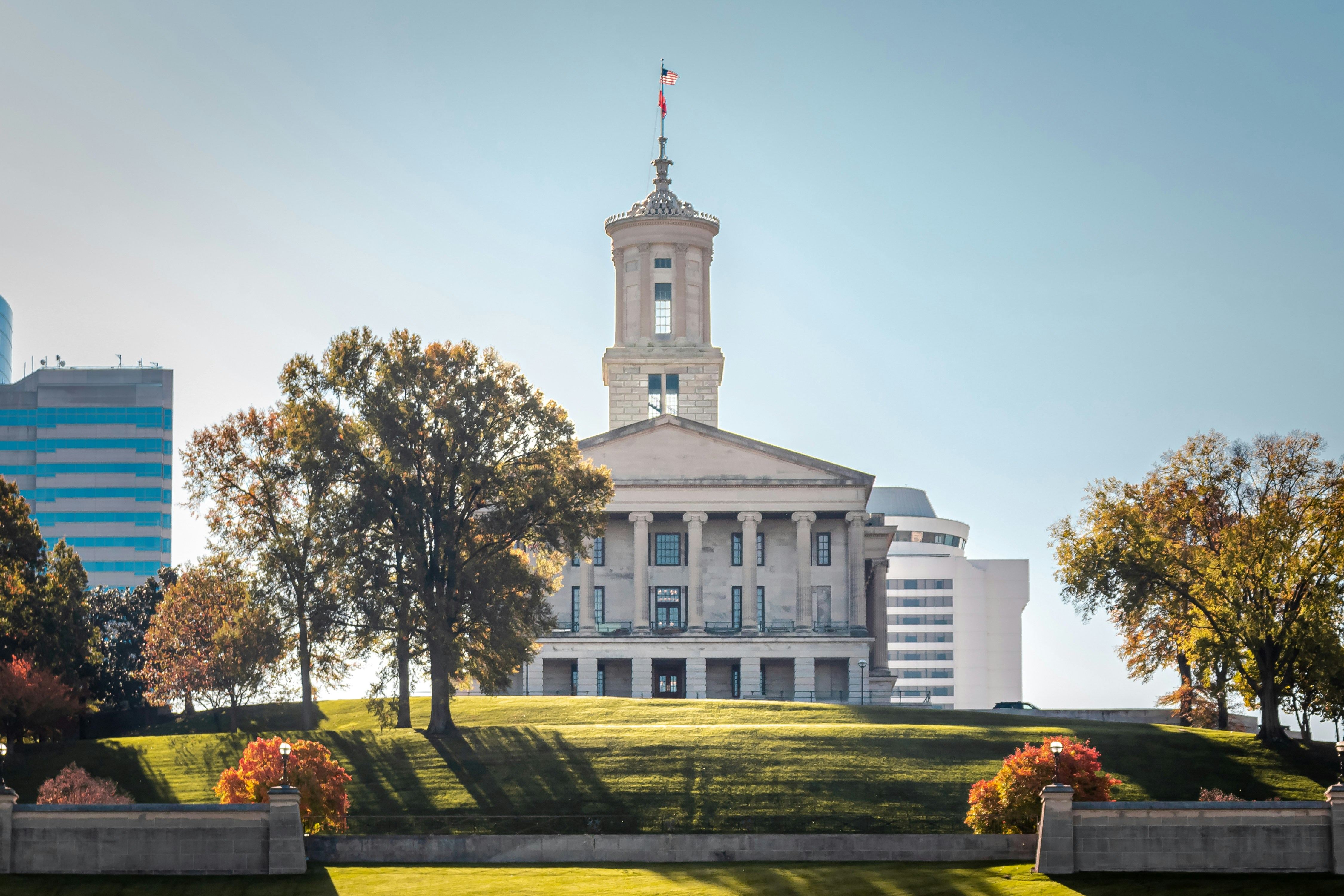
- Tennessee AI Advisory Council Action Plan: This comprehensive roadmap, set for 2026 execution, prioritizes AI literacy, reskilling and modernized government infrastructure. The plan aims to ensure the state’s workforce is equipped with the skills and ethical frameworks needed for an AI-driven economy.
- Missouri SB 1443 – Capital Investment and Job Retention: This recently introduced bill would bolster Missouri Works, a program incentivizing business expansion and retention, by authorizing new tax credits for projects requiring at least $50 million in new private capital investment. The bill targets high-impact industrial projects that drive economic growth through the creation or retention of high-wage jobs. Qualified companies can receive credits up to 2.5% of their new capital investment—specifically for private assets like machinery and facility construction. By focusing on substantial industrial investments, Missouri aims to attract global industry leaders and ensure long-term workforce resilience.
Adapting Economic Infrastructure
Modern infrastructure will be paramount to driving and maintaining a competitive economic edge. Heartland states are moving beyond traditional roads-and-bridges investments to modernize the systems that underpin the next generation of economic activity, from data centers and advanced computing to secure digital payments and asset frameworks. These policies signal to investors and employers that the region is ready to support capital-intensive, technology-driven growth at scale. Bills to keep an eye on include:
- South Dakota HB 1005 – AI Infrastructure and Data Center Investment: This bill would position South Dakota as a hub for the AI economy by providing a 50-year sales tax exemption on high-cost GPUs and cooling infrastructure essential for data centers. This long-term incentive is designed to attract multi-billion dollar hyperscale data center projects.
- Kentucky SB 32 – Strengthening Kentucky’s Economic Infrastructure: Introduced to bolster state financial sovereignty and provide residents with more diverse ways to save and transact, SB 32 is a comprehensive package designed to future-proof Kentucky’s economy. This legislation would prohibit state use of federal digital currencies (CBDCs), recognize gold and silver as legal tender with a state-run electronic payment system and establish strict licensing and consumer protections for virtual currency kiosks. With the goal to position Kentucky as a pioneer in “sound money” and a regulated hub for digital assets, the bill is designed to give the state a more resilient financial infrastructure and offer businesses alternative payment options with greater safeguards against inflation.
Optimizing Energy Reliability & Ratepayer Fairness
Reliable, affordable energy is a foundational advantage for the heartland. As energy demand continues to increase, states are taking proactive steps to strengthen grid capacity while protecting consumers from rising costs. While many energy-related bills are likely across the heartland this legislative session, current legislation includes:
- Illinois Clean and Reliable Grid Affordability Act: Enacted on January 8, 2026, the law addresses rising energy demand by lifting the moratorium on new nuclear reactors and mandating 3 gigawatts of battery storage by 2030. These measures, alongside the creation of “Virtual Power Plants”—which aggregate decentralized resources like commercial batteries and solar to support the grid during peak demand—have been projected by the state to save Illinois consumers and businesses $13.4 billion over the next two decades.
- Kentucky SB 43 – Energy Planning and Industrial Readiness: This prefiled bill would require the state to maintain a detailed inventory and long-term forecast of its power plants and transmission lines.
- Oklahoma HB 2992 – Data Center Consumer Ratepayer Protection Act: Prefiled for 2026, this legislation requires large-scale users to cover their own infrastructure costs. The outlined “fair-share” model is said to protect residential and small-business utility rates, and maintain a low cost of living and conducting business for all Oklahomans.
The 2026 legislative landscape reveals a heartland that is not just reacting to change, but working to drive it. By examining emerging technologies, financial systems and the energy grid, heartland states position themselves to make strategic investments to ensure the region remains a powerful engine driving local, national and global economic growth.