
Heartland Forward’s impact area, Talent Pipeline, encapsulates initiatives providing communities with data, tools and the opportunity to build talent from the ground up through entrepreneurship, education, workforce development and human capital. Working with public and private partners, work in the Talent Pipeline impact area elevates ideas, data and programs that promote job growth and stimulate local economies in the heartland.
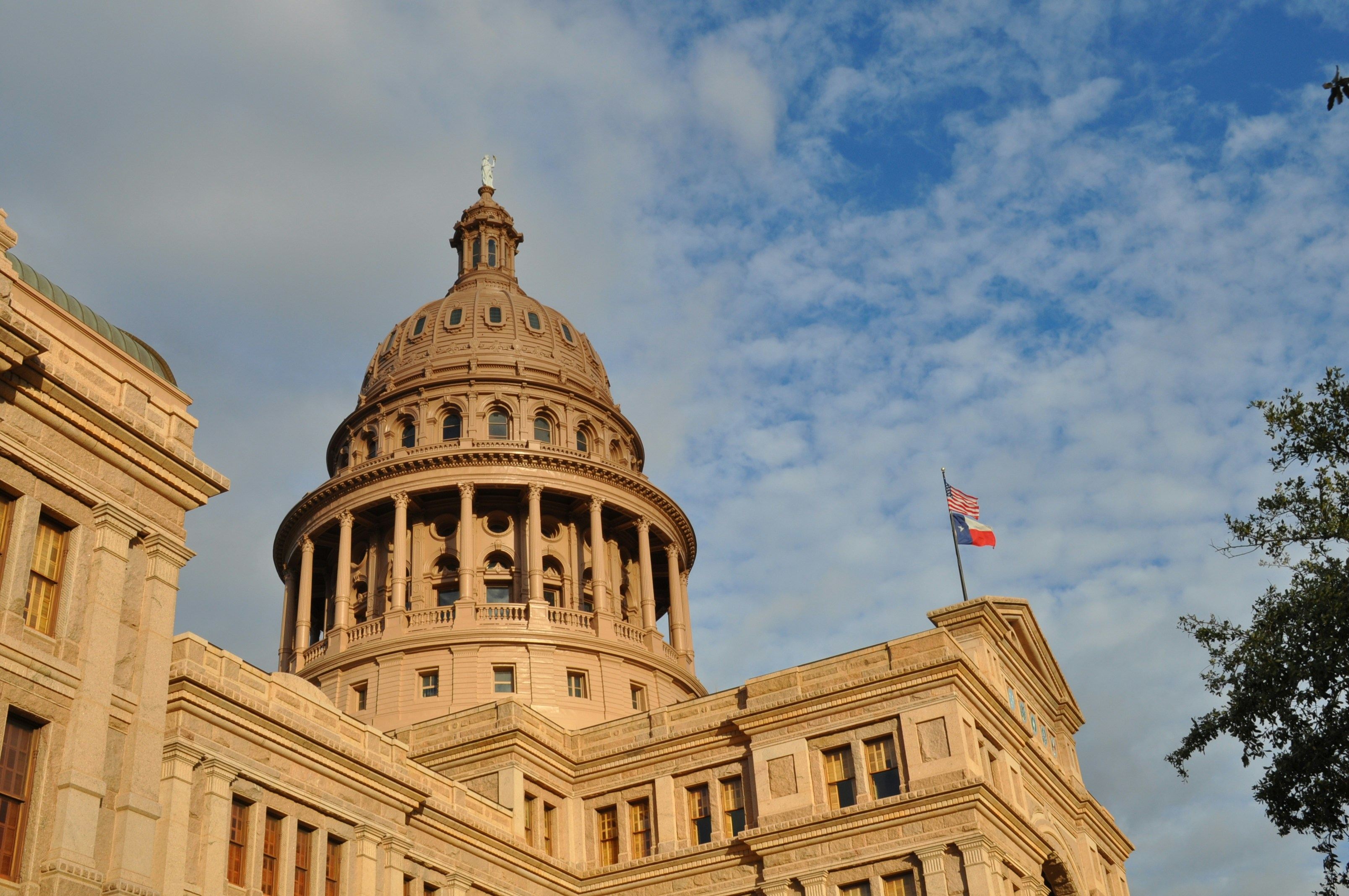
In state capitols this upcoming year, heartland policymakers will oversee countless pieces of legislation with similar goals of strengthening the talent pipeline. State policymakers will look to position heartland states as leaders in the modern US economy.
As most state legislative sessions kick off their 2026 sessions, this installment of Pulse of the Heartland’s series Heartland Policy Updates highlights key policy developments to watch related to strengthening long-term talent pipeline growth and resilience across the heartland.
Lowering Boundaries to Workforce Entry
South Dakota SB 63: In a bill sponsored by the South Dakota Senate’s Commerce and Energy Committee, South Dakota could see the establishment of an apprenticeship office within the Department of Labor and Regulation. In establishing this office, South Dakota aims to create standardization of apprenticeship programs throughout the state and empower a government group with the resources to promote and educate the public on the benefits of the state’s apprenticeship programs. Looking out at economic trends throughout the heartland, an apprenticeship office within state government agencies could provide states with the agility and thoughtfulness needed to grow alongside fast-evolving workforce needs.
Alabama HB 125: In June 2023, Alabama passed the ReEngage Alabama Grant Program to provide funding for young adults who had previously paused their education to continue their education and enter the workforce in areas of high demand. Alabama considers these areas to include areas such as education, nursing, computer science and more. This legislative session, Alabama Representative Terri Collins has filed HB 125, a bill aiming to lower the age of eligibility for the ReEngage Grant Program from 25 to 22 and opening additional talent acquisition opportunities for young Alabamians by removing financial obstacles to degree earning in high-demand professions. Having already been referred to the House Committee on Education Policy, this bill’s advancement through the state legislature could signal an increasing priority for workforce development through thoughtful policy promoting greater access to education for larger groups of Alabamians.
Promoting Entrepreneurship and AI Exploration
The Texas Responsible Artificial Intelligence Governance Act (TRAIGA): TRAIGA went into effect on January 1st of this year, establishing increased oversight for AI development while creating an “AI Regulatory Sandbox” to promote AI innovation among Texas’ entrepreneurs. The program aims to support Texas’ entrepreneurs by allowing them the freedom to explore AI applications without legal risk under the supervision of the newly created Artificial Intelligence Council. In doing so, TRAIGA aims to create a safe and responsible culture of entrepreneurial AI exploration poised to contribute new products and businesses to the future economy of the region, the country and the globe.
Ohio House Bill 96 from 2025’s session: Under the 2025 law, Ohio school districts are required to adopt a formal AI policy by July 1st, 2026. In December, Ohio’s Department of Education and Workforce released its model AI policy for Ohio’s public school districts to adopt themselves or use for guidance when creating AI policies of their own. This model AI policy incorporates feedback from key K-12 community stakeholders, including faculty, non-profits, policy and business leaders. It also sets standards for AI implementation in state K-12 curriculum while guarding against harmful practices by and against students.
Nebraska’s Business Innovation Act: Governor Jim Pillen froze the Business Innovation Act (BIA) in 2025 to undertake an internal audit and better understand the program’s execution.
Passed in 2011, the BIA planned benefits for businesses, including seed funding opportunities, as well as funding and university partnerships designated for research and development of new products. The program is one of Nebraska’s pieces of entrepreneurial legislation, as research demonstrates businesses receiving funds from the program generate over $1 billion in economic impact for the state and recoup state investment nearly 12 times over in private capital.
Having authorized the resumption of the BIA in late 2025, Governor Pillen is nowlobbying the state legislature to increase the funding of the program from $12 million to $15 million and transition its administration to private-sector entities, indicating a growing trust in public-private partnerships to execute statewide programs. In expanding the BIA, Lincoln has the ability to bring further growth to Nebraska’s small businesses and encourage a new wave of entrepreneurs to bring their innovative ideas to life.
Pulling it All Together
By advancing new legislation and recently enacted policies that support the growth and success of heartland workforces and entrepreneurs, policymakers have a tremendous opportunity to shape the future economy.
Effective policy requires effective implementation, and as policymakers’ decisions can give heartland states an excellent jump, oftentimes smart public-private partnerships are essential to maximize these opportunities.
For information on Heartland Forward’s current public-private partnerships and programs seeking to bolster the talent pipeline, check out the following resources: