

The Broadband Equity, Access and Deployment (BEAD) Program represents the largest federal investment in high-speed internet infrastructure in U.S. history. Through $42.45 billion in funding, states and territories are working to bring reliable, affordable high-speed internet to unserved and underconnected communities. Designed as a state-led initiative, BEAD required each state to engage local stakeholders and craft tailored implementation plans per the state’s specific needs. With all 50 states now having received their BEAD approvals, the program has moved decisively from planning to deployment—the question now is how effectively states can translate this investment into lasting economic gains.
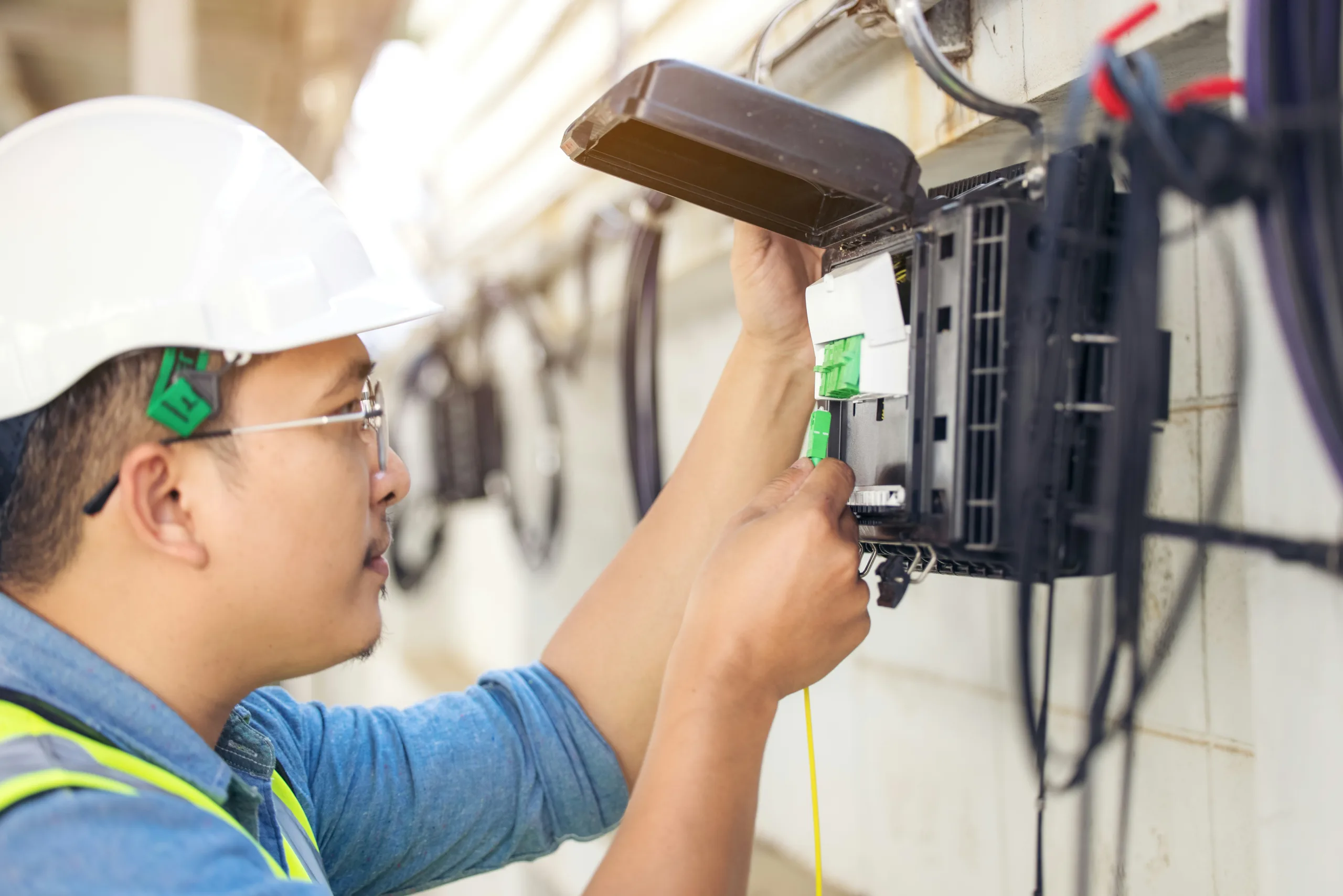
As implementation efforts begin, workforce capacity is emerging as a central determinant of success. Expanding high-speed internet infrastructure requires a broad range of skilled trades, including electricians, HVAC/R technicians, equipment operators and other construction professionals. Heartland Forward’s recent research finds that national demand for these trades is rising sharply, driven in large part by rapid AI infrastructure development, domestic manufacturing expansion and data center construction.
In Louisiana alone, state leaders estimate a need for between 8,000 and 10,000 workers to support high-speed internet projects through BEAD, and similar labor pressures are emerging across states competing for the same skilled workforce. Without a sufficient pipeline of trained trades professionals, deployment timelines may extend and project costs may increase, slowing the delivery of connectivity to communities that have waited years for reliable service.
States are responding by more intentionally aligning broadband investment with workforce development strategies. Veneeth Iyengar, Executive Director of ConnectLA, underscores the importance of coordinating infrastructure and talent pipeline development:
“High-speed internet deployment requires a strategy to support workforce development that is as intentional as the infrastructure strategy. In Louisiana, we are aligning with community colleges and industry partners to ensure training programs reflect projected labor demand. Building this capacity alongside infrastructure rollout strengthens our ability to sustain and maintain the network over time while creating durable career pathways for Louisiana residents.”
This integrated approach reflects a broader shift in implementation. Rather than treating labor supply as a secondary consideration, states are embedding workforce planning directly into broadband strategies—strengthening both short-term execution and long-term economic opportunity. Resources such as the Connecting the Heartland Jobs Board further support this alignment by connecting job seekers with employers and training providers across six heartland states, increasing transparency around high-demand digital infrastructure roles.
Beyond access to the internet itself, workforce readiness is also central to realizing the full benefits of what high-speed internet enables. High-speed internet is foundational infrastructure for participation in an increasingly AI-driven economy. From precision agriculture and advanced manufacturing to telehealth and logistics, AI-enabled systems depend on reliable, high-capacity connectivity. Yet infrastructure alone does not ensure competitiveness. Heartland Forward polling indicates that while a strong majority of heartland residents report using AI tools at least occasionally, only a small share feel highly proficient in applying them. This gap between access and fluency highlights the importance of pairing high-speed internet deployment with digital and AI upskilling initiatives that prepare workers to adopt and apply emerging technologies across sectors.
For heartland states, the opportunity is significant. High-speed internet expansion supported by BEAD has the potential to narrow long-standing gaps in access to workforce opportunity, health care, education and innovation. But the long-term economic return will depend on whether states can develop and support the skilled workforce needed not only to build the network, but to power the industries that run on it.
As the economy becomes increasingly digital, the infrastructure that shapes regional competitiveness becomes less tied to physical assets. High-speed internet connectivity—and the workforce prepared to deploy and leverage it—plays a critical role in economic growth. Ensuring that communities across the middle of the country are equipped with both reliable high-speed internet and the skills to apply AI-driven tools will determine whether this historic investment merely expands access or drives measurable economic gains. By aligning high-speed internet deployment with talent development and AI up- and re-skilling efforts, states can position the heartland not simply to participate in the digital economy, but to compete and lead within it.
Learn more about Heartland Forward’s work Connecting the Heartland:
- Providing Job Opportunities: Heartland Forward supports the high-speed internet talent pipeline through the Connecting the Heartland Jobs Board, featuring 700+ ISP jobs and 250+ training programs across six states: Arkansas, Illinois, Louisiana, Ohio, Oklahoma and Tennessee.
- Convening Leaders: Heartland Forward recently hosted State Broadband Officers for a webinar titled “BEAD Deployment: Preparing to Connect the Heartland Once and For All” to share state-specific insights and resources to help heartland communities prepare for when BEAD funding arrives. Watch the webinar here.
- Sharing the Latest News: Heartland Forward sends a weekly Connecting the Heartland Newsletter to help readers stay informed on the latest AI innovations across the heartland and remain updated on our work Connecting the Heartland to high-speed internet—sign up to receive the newsletter here.
- Focusing on Outcomes: Access to high-speed internet is the number one economic issue of our time, and that’s why Heartland Forward has made access to high-speed internet central to its mission. Learn more about the Connecting the Heartland initiative, started in 2021, working to connect residents to high-speed internet in six heartland states—Arkansas, Illinois, Louisiana, Ohio, Oklahoma and Tennessee.