

In a region as large and economically diverse as the heartland, there is no one-size-fits-all formula for economic growth. Every community has its own combination of assets, identity, leadership and ambition that shape its trajectory. At Heartland Forward, this combination is referred to as a community’s “secret sauce.”
Each year at the Heartland Summit, Heartland Forward recognizes three Secret Sauce communities that are successfully embracing place-based strategies to strengthen their workforce, attract investment and build long-term economic momentum. While Pulse of the Heartland has previously highlighted all eleven Secret Sauce communities, the platform will continue taking a deeper look at several of these honorees to better understand what makes their approaches so effective—and uncover what other communities across the heartland can learn from them.
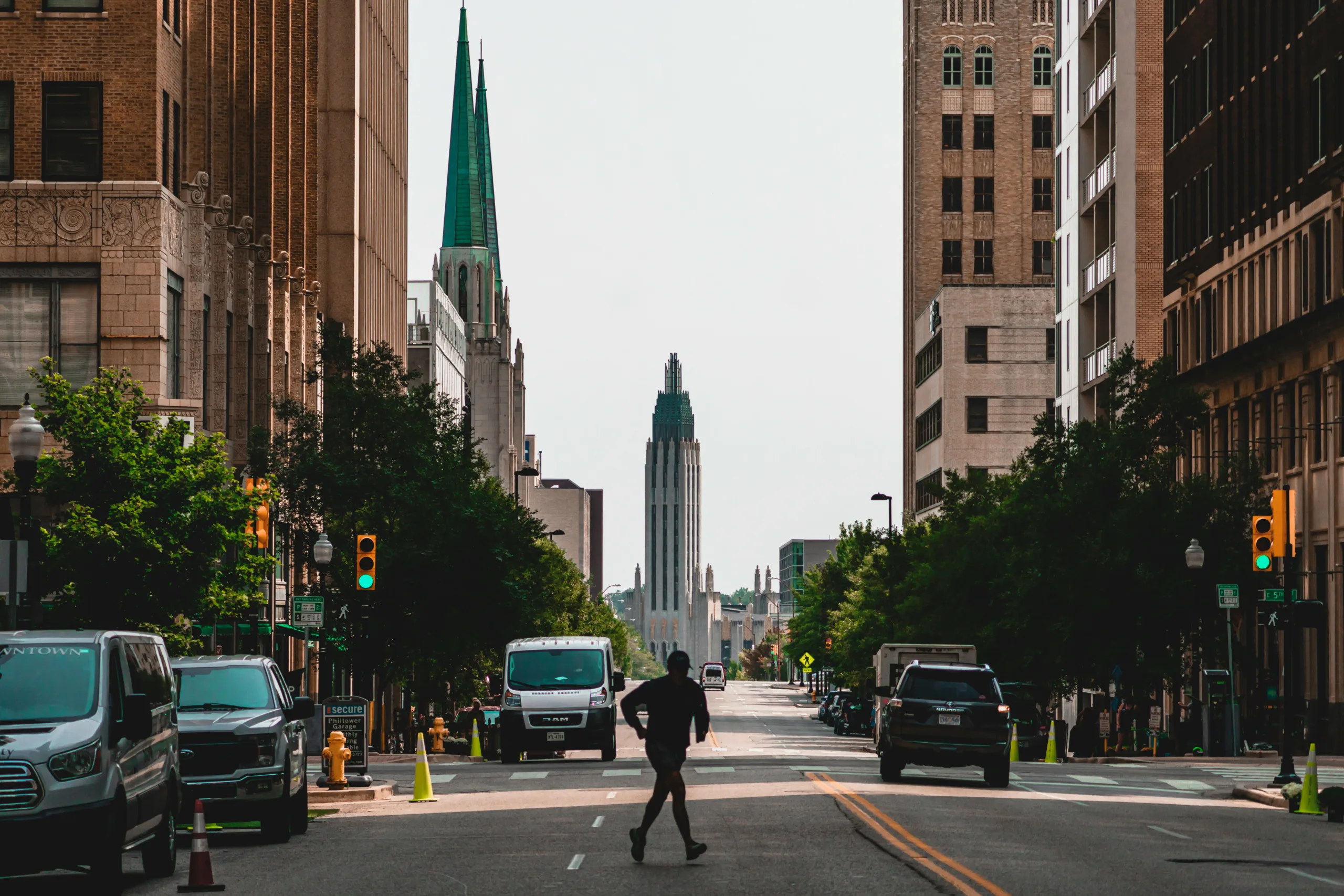
One of those communities is Tulsa, Oklahoma.
Tulsa was recognized as a Secret Sauce Community at the 2022 Heartland Summit for its commitment to community identity, entrepreneurial energy, investment in innovation and embrace of arts and culture as economic drivers.
At a moment when many cities across the country were emerging from the isolation of the pandemic and grappling with declining civic engagement, Tulsa leaders doubled down on community-centered investment and long-term vision. The city prioritized projects designed not only to spur economic activity, but to strengthen civic pride and reimagine what Tulsa could become.
Much of the momentum can be traced to the creation of “The Gathering Place” park, the largest private gift ever given to a U.S. city and now one of Tulsa’s defining public spaces. Beyond a recreational destination the park became a symbol of possibility and a communal hub for residents across the region. Building on this success, Tulsa continued investing in ambitious quality-of-life projects, including the development of Zink Lake, a man-made lake in the center of the city offering opportunities for recreation and natural respite.
At the same time, city leaders focused on making Tulsa an affordable and attractive place for young professionals and families to build their futures. Investments in housing, combined with nationally recognized initiatives to draw in and retain talent—like the Tulsa Remote program—helped position the city as a destination for talent seeking opportunity, affordability and community.
Tulsa’s efforts to recruit talent have also aligned with a broader strategy: empowering the next generation of innovators and entrepreneurs. Programs like Tulsa Innovation Labs, the Holberton School and the George Kaiser Family Foundation’s Atlas School and Gradient—a tech incubator housed within city hall—have helped cultivate an ecosystem where new ideas and emerging industries can take root.
“Tulsa has created a unique environment of innovation,” said Jennifer Hankins, Managing Director of Tulsa Innovation Labs. “By recruiting talent and giving them the resources to transform industries and communities, Tulsa has embraced the next generation of leaders and seen tremendous results. The future is now for Tulsans, and that’s never been more evident.”
While Tulsa has invested heavily in technology and entrepreneurship, city leaders have also recognized the important role arts and culture play in economic vitality and community identity. A recent Wall Street Journal feature highlighted Tulsa’s growing cultural footprint, which includes nationally significant museums like the Bob Dylan Center and the Woody Guthrie Center, located side-by-side in the city’s thriving Arts District. Combined with venues like the BOK Center professional sports venue and the renowned Gilcrease Museum, Tulsa has become a destination for visitors, artists and entrepreneurs alike.
For former Mayor G.T. Bynum, these investments were always about more than tourism.
“Any time Tulsa gets [people] on the ground in the city, Tulsa almost always keeps them,” Bynum said during Heartland Summit 2022.
Though Tulsa was recognized as a Secret Sauce Community in 2022, the city’s momentum has only continued to build.
- A May 2026 study from the Urban Institute found recent public housing investments are generating a 340% return in total economic impact in Oklahoma, reinforcing the long-term value of the housing strategies discussed during the 2022 Heartland Summit.
- Tulsa outpaced Oklahoma City in job creation in 2025, and the two major Oklahoma metropolitan areas’ combined success has propelled the state into the position of the nation’s 14th-largest job creator.
- Meanwhile, Gradient—now the country’s sixth-largest innovation hub—reported in its 2025 impact report it generated $1.76 billion in regional economic impact over the last five years.
- Tulsa has also continued positioning itself for leadership in the AI-powered economy. In January 2025, Heartland Forward convened business leaders and policymakers in Tulsa to discuss Oklahoma’s economic future and the opportunities AI presents for workforce development, entrepreneurship and long-term competitiveness.
Once viewed as a “big little city,” Tulsa increasingly sees itself competing alongside major economic engines like Austin and Chicago, thanks to its unique combination of civic ambition, cultural investment and entrepreneurial momentum.
This year at the Heartland Summit 2026, Heartland Forward will recognize three new Secret Sauce Communities. While every community’s path to growth is different, cities across the heartland can look to Tulsa as an example of what becomes possible when long-term investment, civic identity and bold leadership come together around a shared vision for the future.
Learn more about Tulsa and the 2022 Secret Sauce communities by watching their Heartland Summit video and panel here.