

Pew Charitable Trusts research identifies affordability as key to creating lasting access to high-speed internet, and heartland states are well positioned to lead.
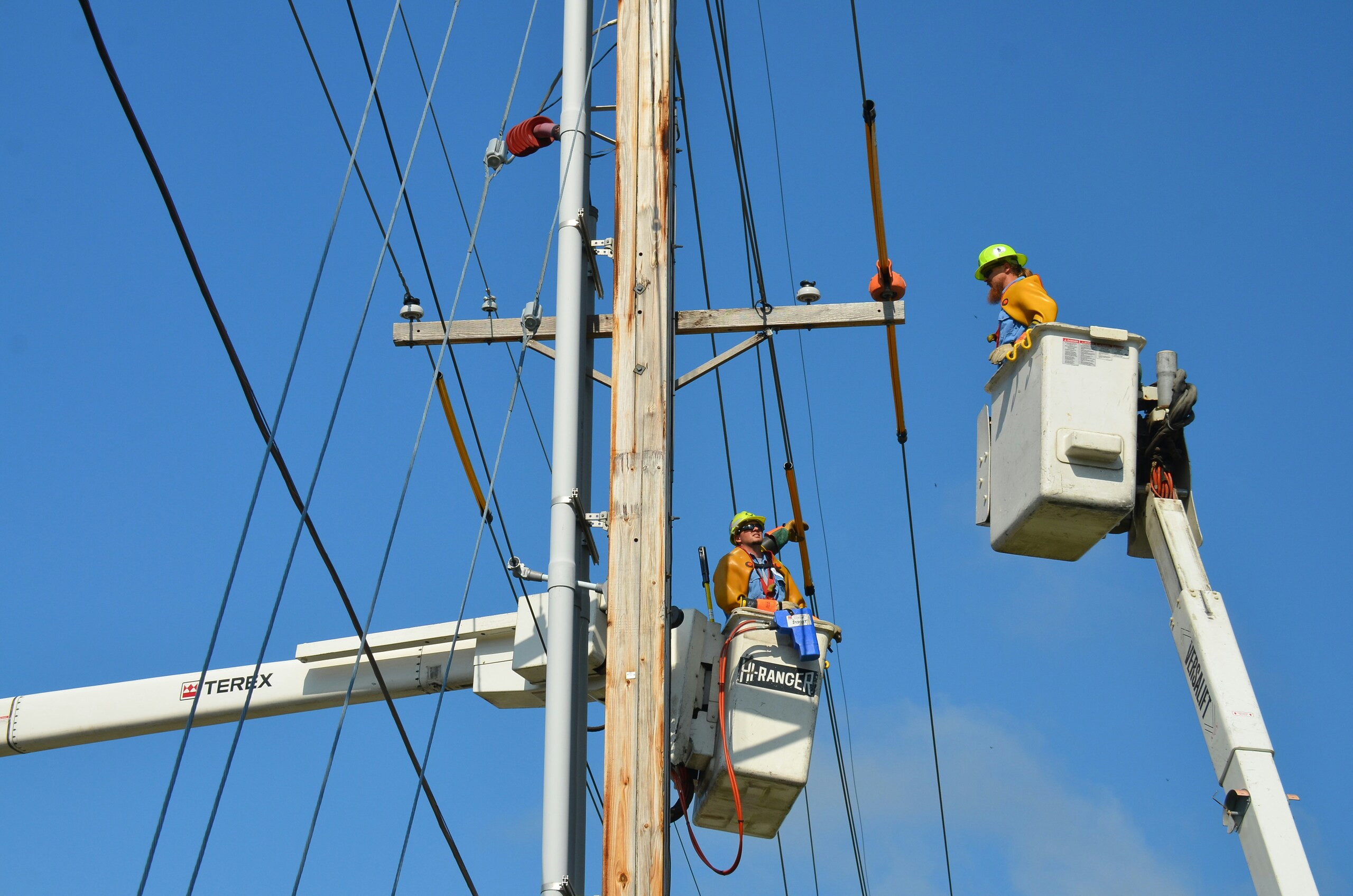
Across the heartland, the work of expanding high-speed internet is well underway. Fiber is being installed along county roads and networks funded by state and federal programs, including the Broadband Equity, Access, and Deployment (BEAD) program are coming online. In short, communities that waited years for reliable high-speed internet access are finally getting connected. But after billions of dollars invested in building these networks, a critical question remains: can people afford to use them? Affordability remains a leading barrier to broadband adoption, and without a connection households can afford to maintain, the promise of these investments, from telehealth and remote learning to new business opportunities, remains out of reach for many. What comes next must be ensuring that every household, small business and school can put those new networks to use in a sustainable, reliable and affordable way.
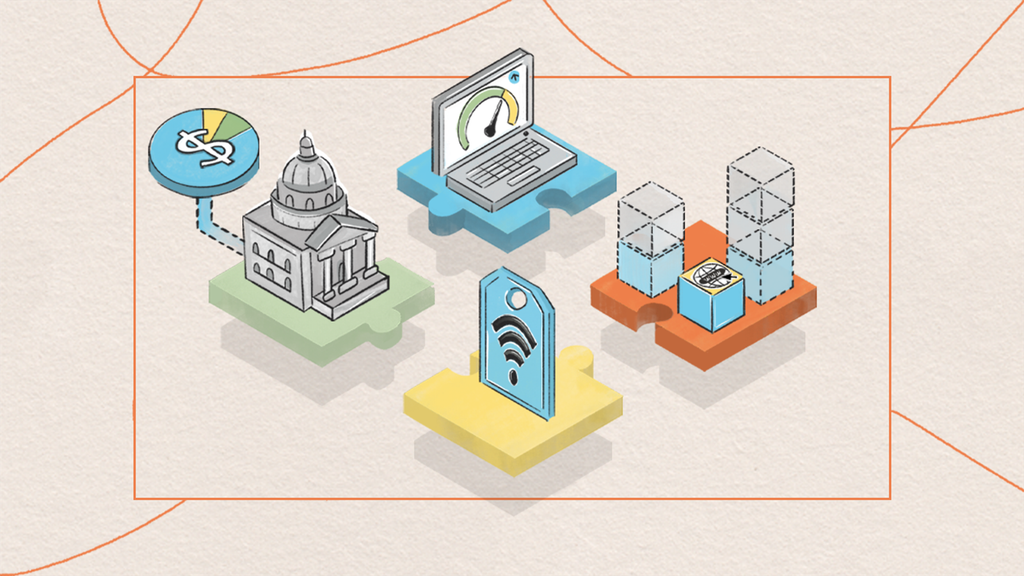
The Pew Charitable Trusts’ Broadband Policy Cornerstones series, published on October 14th, gives states a framework for ensuring internet access remains just that—accessible. Pew identifies four state policies that, when pursued together, create the conditions for high-speed internet access: dedicated state deployment funding, affordability, speed standards and scalability. Deployment funding builds and upgrades networks, while affordability, in Pew’s framing, helps households stay subscribed to those networks. Speed and scalability ensure that the networks can support the current and future uses in a sustainable, maintainable manner.
“States are making significant progress expanding broadband availability, but universal access requires more than building networks,” said Kathryn de Wit, Project Director of Pew’s Broadband Access Initiative. “Affordability policies help households and businesses subscribe to and maintain service. This also benefits internet service providers, who count on those customers to keep their networks running.”
A Shared Priority
During planning for the federal BEAD program, every state identified affordability as a barrier to adoption, according to Pew’s research. This concern reflects a persistent gap in connectivity: Pew Research Center has consistently found that households with lower incomes subscribe to home broadband service at lower rates than higher-income households. In their original BEAD plans, many states counted on the federal Affordable Connectivity Program (ACP), which helped more than 23 million low-income households maintain service and keep connections affordable before it lapsed in 2024. As new networks have been built and continue to come online, states gained a timely opportunity to set their own long-term approach to keeping households affordably connected.
Pew cites research finding that the ACP’s economic returns for consumers exceeded the program’s cost. In rural communities, Pew notes, high-speed internet adoption has been linked to faster business growth and gains in per capita income and GDP. Reliable service lets people who have been underserved take full part in today’s digital economy, and each person who can work or study online strengthens their community and regional economy.
Good for Families and for Providers
Affordability is often discussed as a household issue. A connection families can afford and sustain is what turns a new network into telehealth appointments, online coursework, remote job opportunities and new customers for local businesses.
Pew’s research shows that affordability benefits businesses, too. In rural areas where networks are costly to build, a steady base of subscribers gives providers the confidence to invest, maintain and upgrade network capabilities. Affordability policies also protect the public’s investment by helping ensure that networks built with public dollars serve the households they were intended to reach.
Three Approaches States Can Use to Address Affordability
Pew recommends that the most sustainable way to ensure access to high-speed internet remains affordable is to implement affordability requirements (or solutions) into statute. Currently, Pew has identified three approaches in use by states to help make access more affordable: low-cost requirements, state Universal Service Fund (USF) reform and direct subsidies. As of today, Pew considers six states to have enacted qualifying affordability measures, which fall into three categories:
- Low-cost plan requirements: Ask internet service providers (ISPs) to offer an affordable option to eligible households. Because this pathway doesn’t depend on recurring appropriations, states can choose to require ISPs to offer a minimum service tier, which lets them write affordability expectations directly into law.
- State universal service fund reform: Many states often have existing USFs, which offer funding to make telecommunications services more affordable—including high-speed internet access.
- Direct consumer subsidies: Offer direct reimbursement for internet services and have played a more limited role thus far. Pew advises states pursuing them to plan carefully for eligibility and long-term funding.
Each approach has trade-offs, and there is no single model that will fit the needs of every state. Low-cost plan requirements don’t need ongoing state funding, but they depend on the participation of ISPs and can face legal challenges. Universal service funds ease the burden on ISPs, though many rely on traditional telephone revenues that are shrinking. Grant incentives that reward lower prices can bring affordability into the conversation, but their impact lasts only as long as the grant program. Embedding affordability into state law creates a durable, lasting framework that helps families stay connected and providers in high-cost areas maintain a steady customer base. States will need to work with a range of stakeholders to determine which solution will work best for their fiscal priorities, community needs, and ISP marketplace.
Heartland States are Laying the Groundwork
Heartland states have room to design approaches that fit their own markets, and several have already taken steps toward making high speed internet affordable for all their residents.
Wisconsin is one of the six states Pew identifies as having achieved its affordability cornerstone. Through additional Lifeline support for high-speed internet access, Wisconsin provides eligible low-income households with up to $18.50 per month, a combination of the federal Lifeline benefit and a supplemental benefit funded by the state, to help offset the cost of staying connected. Established in state administrative code, the program requires eligible telecommunications carriers to offer qualifying low-income customers a Lifeline discount, and participating carriers may be reimbursed through the Wisconsin Universal Service Fund.
Louisiana, which Pew highlights in its analysis, shows how a state can use its grant dollars to keep prices down. When the state awarded grants through its GUMBO program, providers earned extra points for offering lower prices, which incentivizes companies to set rates families can reliably afford. Providers receiving GUMBO funds must keep the speeds and prices they promised for five years, but because commitments like these are tied to a specific grant program, their impact can end when funding does. Pairing grant incentives with affordability policies written into state law can help ensure that families can afford service on publicly funded networks and that providers have a steady subscriber base over the long term.
State leaders understand the opportunity that sustained, affordable connectivity provides. When Heartland Forward convened broadband leaders from Arkansas, Illinois, Louisiana, Ohio and Oklahoma in October 2025, Oklahoma State Broadband Office Director Mike Sanders shared: “As someone who was born and raised and lives in rural Oklahoma…those people have been forgotten…when it comes to high-speed internet, because of cost. But those days are coming to an end. We’re excited and well positioned to not only get 100% connectivity, but to make sure we level the playing field with the families and folks living here in the great state of Oklahoma.”
Connection as Economic Opportunity
Heartland Forward has long considered access to high-speed internet to be the number one economic issue of our time, but access alone isn’t enough. Affordability is the bridge between high-speed internet infrastructure and lasting economic opportunity. A network can reach a community, but its full value is realized only when households, businesses and community institutions can afford to use it consistently. A farmer checking commodity prices, a nurse running a telehealth visit, a student finishing homework and a small business owner selling online all need a connection they can count on month after month, year after year to build sustainable growth. When families can afford to stay connected, local employers gain a stronger workforce, entrepreneurs reach new customers and communities become more attractive places to live and build a business.
Affordability also helps unlock the workforce opportunities created by high-speed internet expansion itself. Heartland Forward’s Heartland Jobs Board connects job seekers with internet service providers and training programs across the region, opening new career paths in the communities these networks serve.
With 2027 legislative sessions approaching, Pew’s new state tracker shows where each state stands on all four cornerstones and where there is room to build. For heartland states, making affordability a priority will allow them to turn connectivity into opportunity and ensure every dollar invested in high-speed internet access delivers lasting returns for families, communities and small businesses across the region.
Learn More About Heartland Forward and Pew’s Connectivity Work
- Read more about Heartland Forward’s work on BEAD
- Heartland Forward’s Connecting the Heartland Jobs Board
- Pew’s Broadband Access Initiative