

In 2025, Heartland Forward convened the Heartland AI Caucus, a nonpartisan coalition of state and local policymakers and executive leaders from Arkansas, Kansas, Illinois, Louisiana, Ohio, Oklahoma and Tennessee. Led by Co-Chairs Arkansas Senate President Pro Tempore Bart Hester and Chattanooga Mayor Tim Kelly, the caucus was built to help shape the future of AI across the heartland and help the middle of the country emerge as a national leader in AI-driven economic growth.
That ambition opens a significant opportunity for the region’s skilled workforce. Building the physical infrastructure that powers the AI economy—electrical capacity, mechanical systems, cooling and fabrication—takes electricians, welders and HVAC technicians, with much of that work done onsite. The heartland is well positioned to become a hub for the infrastructure and the economic activity it brings, and the region’s ability to capture the opportunity will be shaped by how quickly it can grow a skilled workforce to meet it.
That workforce need is already apparent. Nationwide, a quarter of rural businesses cite finding local talent as a consistent challenge. According to Fortune, every year, about 20,000 electricians are expected to retire, which means a new generation of skilled workers has real room to step in.
How can states and communities help that next generation take hold?
Heartland Forward has spent two years working to build a solution. In 2024, the organization partnered with rootEd Alliance and the Arkansas Department of Education to launch rootEd Arkansas, which places full-time college and career advisors directly inside rural high schools. Every graduating senior at each school receives one-on-one guidance to plan for their future after graduation, whether the destination is college, career training, apprenticeship or the military.
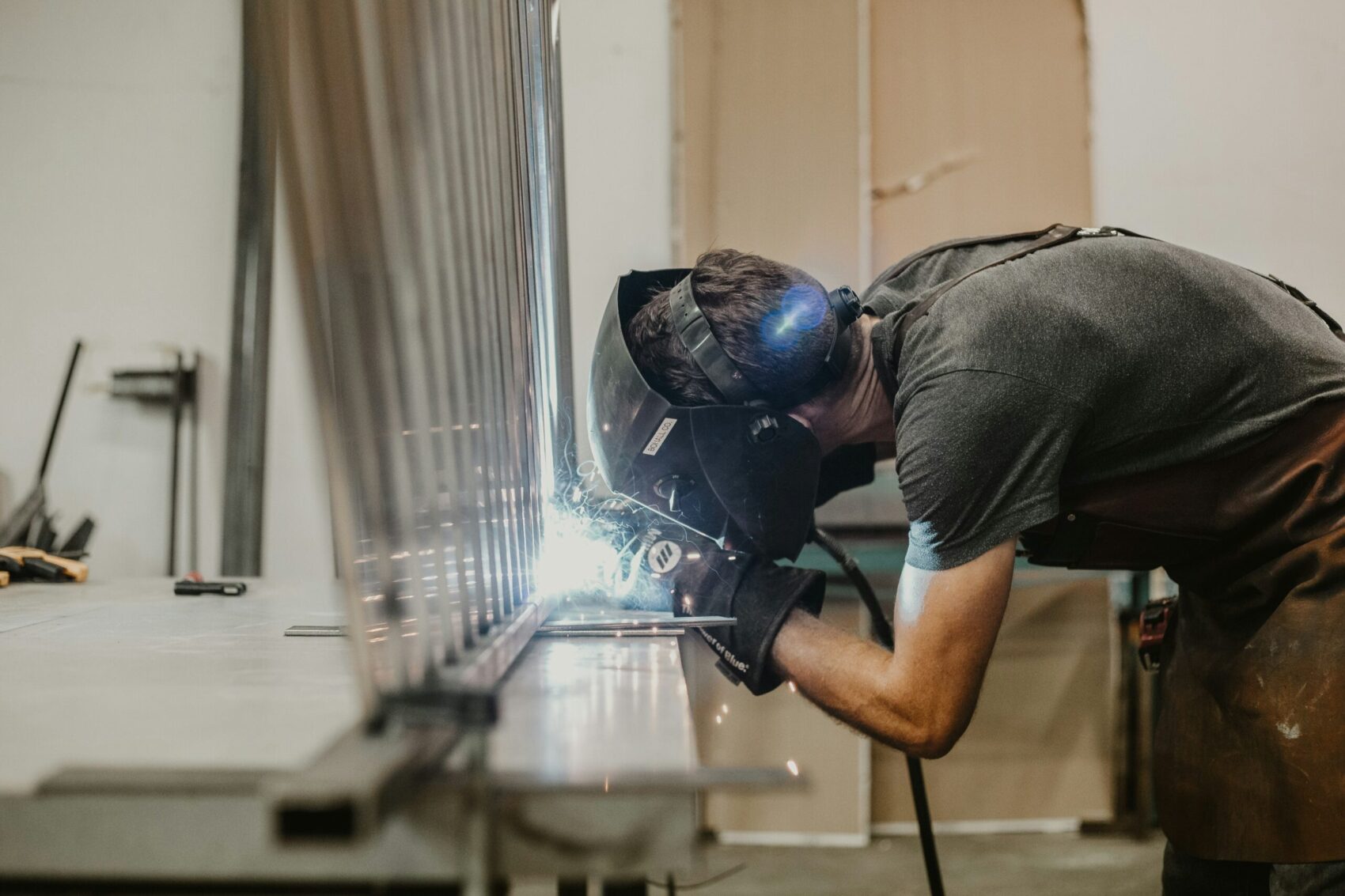
Part of rootEd’s goal is to provide students with greater exposure to multiple different career and educational paths, including hands-on experience with the skilled workforce. This year, Heartland Forward hosted Demo Days in rural Arkansas, giving students hands-on time with experienced electricians, plumbers and welders to gain insight into the tools, the certifications and the training required to pursue these paths, as well as a chance to picture themselves in careers many had never encountered before.
“We can’t expect young people to choose careers they’ve never had a chance to see,” said Jackson Villines, the owner of Villines Electric Company and a Demo Day participant. “We need more students choosing high-demand, skilled careers and partnerships with more schools helping show the way. The skilled trades offer real careers with good pay, room to grow and a chance to stay in your own community.”
The numbers suggest this approach to post-graduation advising works. Among rootEd Arkansas students, 82% now plan to pursue further training after high school, up from 50% before the program arrived, and self-reported confidence in knowing the steps to reach their goals climbed from 50% at the start of senior year to 80% by the end. The gains extend beyond college-bound students, too. Those entering the workforce directly after graduation saw wage gains of $9,400 on average, and—most relevant to the need for skilled technicians—72% of non-college-bound rootEd students are pursuing high-growth industries like manufacturing and construction.
The opportunities presented by the skilled workforce, as well as local investment in building the talent pipeline, are beginning to show up in the state’s broader workforce numbers. Between 2019 and 2024, Arkansas’s electrician workforce grew by nearly 35% and its HVAC workforce by more than 65%, among the fastest growth rates of any state in the country, according to Heartland Forward research.
The greater the skilled workforce, the greater the heartland’s ability to attract the investment that will define this next phase of economic growth. The next generation of electricians, welders and HVAC technicians could soon enter that workforce—if they see the opportunity, and if someone shows them the way in. rootEd Arkansas is one example of how the heartland is investing in that workforce, part of a growing set of state and regional efforts to connect students to skilled careers early and often. The country’s AI future will not just be built with code. It will also be built by people.
Learn More
- Convening Leaders on AI: The Heartland AI Caucus brings together state and local policymakers and executives from seven states to shape AI policy and position the Heartland as a leader in AI-driven economic growth.
- Building the Talent Pipeline: rootEd Arkansas places full-time college and career advisors in rural high schools, giving every graduating senior one-on-one guidance on college, career training, apprenticeship or military paths.
- Understanding the Demand: Preparing America to Build looks at Heartland Forward research on skilled trades growth across the region in an era of historic infrastructure investment.